Know Any Literary Animal Lovers?

Hi there PureJeevan readers! We wanted to let you know that Jim's new novel CHROO is available on Amazon. It's a crazy adventure involving a billionaire heiress, her Chihuahua BFF ("Chroo") and a host of human and animal characters. Find out more on Amazon! Here are some links:

?To keep all of you inspired while we are away, we've asked some
remarkable individuals to share their raw food stories with you. Enjoy!


Q. Do you know of any nutritional protocol that would be beneficial for reducing or *gasp* even healing fibromyalgia using a high raw diet regimen
Do you feel that something like live blood testing, or mineral level testing would be beneficial? Wendy, after following your long ordeal with Lyme disease **Gentle Hugs to you** I believe you might be able to understand the pain, fatigue and depression that is involved while dealing with a chronic illness. ?I am looking forward to hearing more about your healing journey!
Sending love,? C.

What do you do when you spend the night or week-end at someone's house and they're not raw. Do you take your blender and all that
Super question, Joanna!? I'm sure you also have a great answer for this. I think I do, too, but it's probably more complicated than a lot of people would like.For me, the factors that complicate the "travel to non-raw households" issue include, but are not limited to:
To help keep all of you inspired, we ve asked some
remarkable individuals to share their raw food stories with you. Enjoy!

Jim here with another exciting edition of Weird Wednesday. You know, each time I say "weird," I don't always mean the same thing. Sometimes "weird" means odd or strange. Other times it means funny or ironic. It might also mean unusual or out-of-the-ordinary. Come to think of it, the definition of weird is also weird.
Today, I was thinking about an old friend, Jim Banholzer. He lived next door to Wendi and me when we first moved to the D.C. area in 1991. We all lived in a small "garden apartment" complex in Falls Church, Virginia. Our roommate at the time worked as a leasing agent there, which qualified us for a decent rental discount. I think we paid $800 or so for the place, an upscale 2-bedroom townhome close to the community pool. Jim lived next door with one of the more unstable people I've ever met (and, trust me, that's saying something).
Three months ago today, we put up a post called "Is Alcohol Raw " I wanted to post a little follow-up to that today, while I'm thinking of the story. (And, by the way, a great conversation ensued in the comments section of that article. However, if you visit it now, you'll see that the comments have disappeared. We're hoping to have these and many other comments restored once a new version of Disqus is released.)
In that article, I touched on how the body can seemingly store states of consciousness (noting how I dreamed of being drunk and felt authentically drunk in the dream). This sort of phenomenon is well documented anecdotally (e.g., often associated with LSD use), although still not fully understood by medical doctors or psychologists. In any case, the term "flashback" comes to mind:
Read more: Strange Wine Experience & Jim's *Emergency Smoothie*

It's been a while since we've made any major design changes around here. So, we thought a redesign was in order -- and we're happy to announce that we're about 95% finished implementing the new look. It's live and working right now, so we invite you to take a peek.
 So many things have changed and/or been updated, not the least of which is the general look and feel of Pure Jeevan. (We did base the new design on much of the look and feel we established many years ago. But, the site has now been modernized -- adding a third column, leveraging more complex style sheets, and integrating more with social media sites like Facebook, and quite a few behind-the-scenes programming updates.)
To continue with our Summertime Raw series, we took a trip to Pittsburgh's Frick Park to enjoy the beautiful day. Before leaving, we packed another meal to show you how easy it can be to eat a raw food diet while away from home.Frick Park was wildly popular among dogs; we saw canines of all shapes and sizes -- all playful, yet calm in comparison to our lovely Julia, a rescued blue Doberman. Joogie enjoyed the outing very much because she was able to snack on cucumbers (a favorite treat), chase after a few joggers (we're teaching her that this isn't proper doggy behavior), knock the cooler out of Jim's hands when we were leaving (which broke a few of our best glass dishes), and lick the faces of a few new furry friends. We've been to many parks, but we have a feeling this is now Julia's favorite. ?
In yesterday's blog and video post, we showed you how easy it is to simply grab fresh fruits and veggies and head out the door for an outing. In that show, no refrigeration or preparation was necessary. However, we also know that many of you are new to raw foods, and perhaps eating simple chopped produce isn't so appealing for you compared to traditional foods you'd normally eat while in a park. So, today's goal is to demonstrate how simple it can be, making it easy for you to stick to a raw food lifestyle and not feel tempted by the cooked foods that may be around while you're out enjoying the summer with friends and family. So, today's video is about stepping it up to the next level.

As you can see from yesterday's post, Pure Jeevan keeps extremely busy during the year. What's up for 2010? Let's just say... more amazing information, inspiration, education, motivation, and cutting-edge health features! This post will be considerably shorter than last year's counterpart. In January 2009, we ran a 3-part series on looking back and looking ahead. While that was super-productive from a planning perspective, a few important points come to mind as we ponder the same issues once again:

Wow, I just took a gander at the "Best of Raw" web site and saw that Pure Jeevan is nominated for all sorts of great things -- singling out Wendi, me, Pure Jeevan, this blog, and the All Raw Directory over at least eight different categories!
We really appreciate the nominations, so thanks so much to those who took the time to do that. We'd love it if you would vote for us for "Favorite Raw Blog." (You can do that now by going here.) Of all the things we were nominated for, that's probably the one we've really put the most effort into.
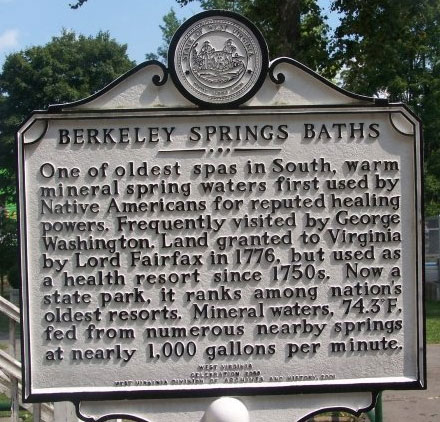
Hi everyone! ?We wanted to announce plans for a raw food picnic / potluck / meetup next Saturday, September 19th, at noon, in Berkeley Springs, WV at Berkeley Springs State Park (link to map), a wonderful natural healing destination about half-way between Pittsburgh and D.C. Wendi was just talking with Rawbin from the Capital Area (D.C.) raw food meetup and we all thought that a combo Pittsburgh / D.C. meetup might be fun. So, we all planned something right on the spot!
Berkeley Springs is a really nice (but small) public park in West Virginia about half-way between Pittsburgh and D.C.I traveled there a few weeks back with Melissa, Dave, Ella, and Bethany on the way to Raw Spririt East. We had a super time soaking in the spring water and checking out all of the cool alternative shops. (I did a write-up here on Pure Jeevan a few weeks ago and posted some video of the place).