Know Any Literary Animal Lovers?

Hi there PureJeevan readers! We wanted to let you know that Jim's new novel CHROO is available on Amazon. It's a crazy adventure involving a billionaire heiress, her Chihuahua BFF ("Chroo") and a host of human and animal characters. Find out more on Amazon! Here are some links:

Want to have a little bit of fun today here on the blog? We'd love to hear your list of favorite foods for each color of the rainbow! I wonder how many of us will have similar fruits and vegetables on our lists, and how many of us will come up with vegetables and fruits that others have overlooked?

Day 9: It's the final day of Navratri, often the largest day of celebration. On this day in India new businesses are started, children begin their formal education if they are at the right age, and past regrets (and many times debts) are left behind. It's a new beginning, fresh start, and is celebrated as such. Today, Pure Jeevan is celebrating in a big way, too!
 Yesterday, Jim handed in his resignation where he works. He was closing old books, imagining new ones, and today markes his first step of his new life. He gave the office one month's notice, after which he'll be here in Portland. Our new life has officially begun!
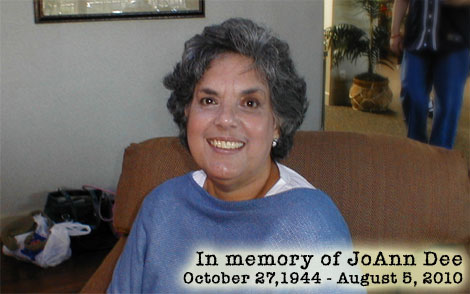
Jim here... As you may have noticed, Pure Jeevan was offline for the past week. I wish this absence had been for some pleasant reason that I could now write about. But, in truth, it was because my mother passed away last Thursday afternoon. It's not easy to write about so soon afterward; we're all painfully unprepared to describe my mother using the past tense. Her passing still just doesn't seem real to me or to anyone who knew her.She was without a doubt a remarkably beautiful, happy, and loving person who, for 65+ years, really made a difference in a lot of people's lives.
Beyond her ties to Wendi, KDcat, and me, she was also known to some Pure Jeevan family members as well as others in the raw food community. She appeared here just a few months ago to share a raw hummus recipe. And, I know she had visited and/or joined a few other raw foods sites during the past two years. She really did have an interest in it, and always loved her veggies and a good salad. In fact, she was one of those people who actually ate fairly healthfully, relatively speaking, yet still faced serious health challenges.


On this beautiful May Day, I am thankful for creativity. We all have a creative ability within ourselves to imagine all kinds of things.In yesterday's post, about asking myself questions in order to make changes in my life, I talked about having an image in my mind of how I wanted my life to be in the near future. I was using my creative abilities to see my future as happy, vibrant, and healthy.

***** DISCLAIMER: As with all of our posts here at Pure Jeevan, and particularly those tagged with a new term, "Nadi Balance, please refer to the disclaimer that runs at the bottom of all Pure Jeevan pages. Wendi and Jim are health researchers, educators, and extreme self-experimenters, not doctors. ******

Yesterday, we talked about live blood being a fantastic indication of overall health and well-being.Wendi's initial live blood review didn't show the extent of the Lyme disease. But, it did show an indication that something was going on (while Jim's blood showed overall health).
Read more: Nadi Balance: Exploring Fats and What Finally Healed Wendi
Jim here... Here's part two of a video of Wendi showing how to make raw pasta. (If you did not view part one yet, click here to go there now.) She, with the help of her friend Melissa (of Food Under Foot), prepared a beautiful platter of pastas and some sauces that we all enjoyed when I returned home yesterday for lunch.
We hope this video shows you even more how fun and delicious eating raw foods can be!

I hear the question all the time: "Don't you miss eating out at restaurants " My answer is always, "No. I prefer the fresher organic foods I can create for myself in my own home. I can pay the same amount for better food if I stay at home to eat." It's true, too. I don't miss eating out at restaurants. Sometimes I miss the convenience of someone else doing my food prep and cleaning up afterward, but as far as the actual food that I consume, I prefer the foods we eat at home. Besides, when you eat out as a raw foodist, your choices are limited to only a salad if you live in an area with no raw food restaurants.
Sometime last year, as a treat for Jim, we went to a restaurant. I got a huge salad that I used to love when I ate cooked foods at that particular restaurant. I remembered the greens were always dark, the onions were nice and flavorful, and the dressing was a simple oil and vinegar with salt. Well, after consuming only fresh foods in our home for quite some time, the salad that I used to think tasted so great now seemed to be lifeless and limp. It wasn't enjoyable to eat, and I sure didn't like paying so much for a nonorganic salad that didn't even taste good to me. So, we didn't eat out again after that.

Greetings, everyone! ?We've been away from regular blogging for what seems an *eternity*. When we left the airwaves, the raw food world was at total peace with itself -- bliss, harmony, sister- and brotherhood. Aside from rare, gentle disagreements among raw vegans on issues such as whether raw chocolate was mineral-rich or potentially taxing to your body's store of minerals, things were pretty much business as usual.
And then we moved away and took a little time off to regroup .. ?and NOW look at the state of the raw food zeitgeist: (1) long-term raw foodists just about everyhwere are now "eating a little bit of cooked food," (2) an enormous schism has emerged after the seemingly improbable development of many long-term vegans returning to meat eating, (3) informational summits and online meetings have been replaced by debates, and (4) let's face it, the supplements being discussed and sold are getting, well, much *weirder* than ever!

On March 1st we started a Juice-a-Day Jamboree, to challenge ourselves (and our readers) to include more fresh juice into our diets. We knew we weren't ready for an all-out juice feast, but a juice a day seemed like something we could commit to in our daily lives. So, the Juice-a-Day Jamboree was born. We've been posting periodic updates on our original post about the Jamboree, but figured we'd post periodic juice updates in the main part of our blog, as well, to encourage others to add some more fresh juice to your diets, as well.
We've missed one day of juice since we started the Jamboree. Our original goal was to have our juice first thing in the morning, but we weren't always successful with that. So, we told ourselves that any time of the day is fine, but if we can start the day with a juice we'd prefer it that way. The changes we've been feeling are more pronounced when we begin the day with fresh juice, rather than when we have our juice later in the day.

 Continuing with our Taco Week, here's a quick and easy (and delicious) salsa recipe. You can really have a lot of fun with salsa, and can get highly experimental if you like. Almost anything tastes great in salsa. This one is fairly basic, so feel free to spruce it up with some of your favorite ingredients. Let us know in the comments section some of your favorite variations so you may inspire others!