Know Any Literary Animal Lovers?

Hi there PureJeevan readers! We wanted to let you know that Jim's new novel CHROO is available on Amazon. It's a crazy adventure involving a billionaire heiress, her Chihuahua BFF ("Chroo") and a host of human and animal characters. Find out more on Amazon! Here are some links:

A few years ago, my dear friend Melissa and I decided to split the cost and order a raw food home study course (then known as The Dr. Ann Wigmore Program).Let me tell you, this was not a cheap program that we purchased, but at that time there wasn't as much free information available on the Internet like we now have.
Was it worth the cost? Well, kind of. Since we had both been reading and learning so much about raw foods (she had actually been raw for a long time many years before), much of the information wasn't new to us. However, if someone was newly learning about raw foods, the program would probably have been fantastic. The quality of the materials we received wasn't great (photocopies of photocopies that were sometimes difficult to read, and some videos that were blurry or difficult to hear), but at least we had a lot of information at our fingertips.


Our friend Kevin Gianni is turning 30 this weekend. When you do the math, that means he was born December 7, 1978, which was pretty much the apex of the disco era in America.It's no wonder the man struck the above pose in our back yard; dude's got the Village People in his blood! So, it would be really nice if you boogied down to his site, www.RenegadeHealth.com, and wished him a happy birthday. He's also on Twitter -- cast a shoutout to: @KevinGianni.
Read more: Hey, What Happened to the "Know Your Food" Series?

What fun do you have planned for yourself today, this weekend, or sometime in the near future? If the idea of having fun feels a bit foreign to you, then we sure are glad you found our blog. We'd love to encourage you to have some fun every day, but to especially have extra fun on the weekends (or whenever you have a couple of days off in a row).
What makes the weekends so special? For most people the weekends are a time when your schedule isn't dominated by weekly work commitments. It's a time when you can (no matter how busy your life is) probably arrange your days the way you'd like. So, why not arrange some time for fun? If you can manage it, try to arrange an entire weekend of fun for yourself!
For this Take the Time Tuesday, I'm going to do something different. I'd like to share with you some of my friends and family, people I'd be pleased for you to meet in person some day. They are all beautiful people, filled with love.
Take the time to meet...
Some of Pure Jeevan's Friends and Family!?
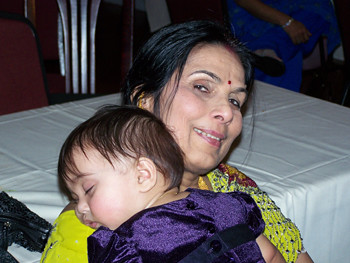
The birthday girl, Rhia, asleep on her beautiful Nani?
I'd like to talk with you about diet and experimenting. I've been learning about natural healing and foods/health since I was a very young woman. Somewhere along the line I knew that what I was eating was either making me feel better, or worse, and that food was related to health (it was more than just to fuel the body). It was with this knowledge that I stepped into the realm of natural healing and stumbled around for most of my life.I've learned about vegetarianism, herbs, the negative effects of dairy on the body, veganism, essential oils, Ayurveda, harmful chemicals in and around our foods, and so very much more. I don't claim to be an expert on any of these topics, they are just part of my overall bank of knowledge and experiences from which I pull to live as healthy as possible.
Hi everyone! It's Wendi here, back to updating the blog and giving Jim a much-needed break. ;-) He did an amazing job with all he did while we were away (his full time corporate job; assisting me with a part-time computer job; keeping the house ready for realtors and potential buyers to stop by; dealing with some sad issues around our dog, Julia; connecting with our hosts and those requesting meetups/talks across the country; catching up with KDcat and I for a bit each evening to hear how we were doing; collecting pictures/videos/notes from me to then go through and create blog posts for all of you; helping friends fix up their attic into a useable place; and so much more)! He missed us a lot, and we missed him a lot, too.
So, here we pick up from where we left off with our travels yesterday...

It wasn't easy leaving Arizona. KDcat and I both wished we had more time to play on the rocks in Sedona. But, we'll keep that for a time when all three of us (next time with Jim) can be there to experience the wonder of that beautiful place. So, it was off to New Mexico! Since our host in Albuquerque was going to be busy until the evening, we slept in a bit before leaving Arizona.
In Albuquerque, NM, we stayed in the home of the beautiful Darshanie, who was out of the country visiting her daughter and attending the wedding of her brother. I met Darshanie at the Peaceful Valley Ashram a few years ago (the same ashram where I held a raw food spiritual retreat). She's one of Leela Mata's beautiful and talented daughters, creating candles which she sells as well as offering intuitive readings [click here to learn more about Darshanie]. It was wonderful to be invited to stay with Darshanie during our travels, and I was a bit sad that she wouldn't be there when we arrived, but who would ever miss out on the chance to attend an Indian wedding ! If you're ever invited to attend one, consider it a huge honor and accept the invitation. Indian weddings are breathtakingly beautiful in so many ways.
Read more: Wendi and KDcat Visit New Mexico! Videos and Pics...

Thank you, thank you, thank you! Today for Thankful Thursday, we wanted to say a special THANK YOU to our readers. It means so much to us that you come to visit our blog. With every new comment (both here on the blog and through email) it fills us with great happiness!
Is there something you'd like to see more of here on our blog? Something you'd like us to discuss? We know you are looking for more recipes, since you've told us (be sure to check out our recent posts where we've linked to some fantastic sites offering recipes!). What else would you like to read about or have us share with you?

For this week's Makin' It Monday, I'll share a super quick and yummy recipe I created. Since we have all of those delicious oranges, guess what the recipe is going to include? ;-)
ORANGE PUDDING
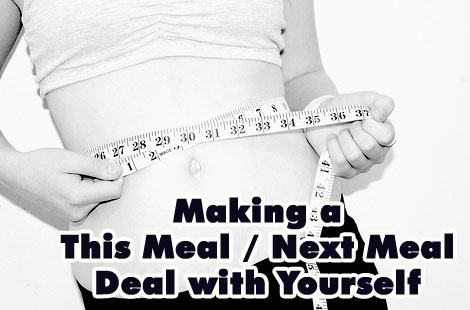
Wow, could this really mark 800 raw food blog posts ! ?We must be obsessive orthorexic raw foodies to have achieved that level of focused health editorial journalism! Post #800 deserves to be something really useful (not that the others aren't or do not deserve this), so we'd like to pass along a fun idea. I guess all of that talk of Donald Trump yesterday got me thinking about making deals. We make deals with others, of course, but I think we also sometimes can make them with ourselves.
I'm so glad to be out of the corporate business world these days, but I did pay attention while there, and perhaps even learned a thing or two. Today's post is related to that in a way. You see, I was once at a sales training seminar when the speaker advised following a "this job / next job" strategy with clients. What that means in business is that, when you're in the middle of one job working for someone -- say, for example, you're a printer working on a brochure for a company -- you would make a point of saying something like, "Hey, this brochure is going great. I was wondering what else is coming in the near term so that we can make sure to be ready for it."
Hey everyone!? Just one long weekend left for Wendi and KDcat to (frantically) pack for their cross-country roadtrip. Yep, Monday night I'm dropping them on that midnight train to Portland. Wait until you see the spread of trip-snacks they're taking along. (We took some pictures of the raw foods smorgasbord sent by our generous snack sponsor, Natural Zing).
Today, since it's fun-filled Friday, I thought I'd share a little tale of frustration (although meant in kind of a funny way) relating to my own diet. You may have read my mini-manifesto a few weeks ago about my recent quest for simplicity. Well, Wendi and I have both largely maintained that kind of existence for a while now -- especially when it comes to the breakfast smoothies (pineapples galore!) and lunch salads. I have to admit that my energy seems to be trending upward very nicely!