Know Any Literary Animal Lovers?

Hi there PureJeevan readers! We wanted to let you know that Jim's new novel CHROO is available on Amazon. It's a crazy adventure involving a billionaire heiress, her Chihuahua BFF ("Chroo") and a host of human and animal characters. Find out more on Amazon! Here are some links:

We've promised many of you that we'd share some ideas for the whole family (especially the children), so here's one idea that might prove particularly popular. In a household of two former English majors, it's only natural that we've always adored and admired alliteration. So, we may be biased to believe that these "Breathtakingly Bejeweled Blueberry Banana Breakfast Bowls" will be as beloved by your beauteous bellies as they are by ours. See what you think!
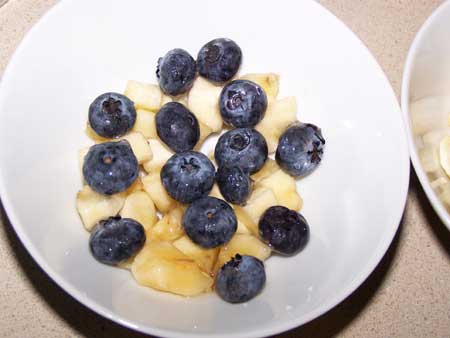
Read more: Breathtakingly Bejeweled Blueberry Banana Breakfast Bowls

Jim here... Back in November of 2010, my friends Joe Prostko, Heather Harris, and I decided to replicate an unusual experiment we'd heard about. Reportedly, some people with health issues had found improvement in their live blood samples after simply grounding themselves for a period of time. We all thought it was interesting enough to try on ourselves, so the above video is the result. ?Since it's 8+ minutes long, I'll spare you any suspense: The results were absolutely inconclusive. (However, we did have fun with it, as you'll see.)
NOTE: The site I'd posted the video on, BlipTV, seems to have gone out of business. Will have to see if I can find the video again and post on youtube.
Read more: Strange Grounding / Blood Experiment -- Inconclusive
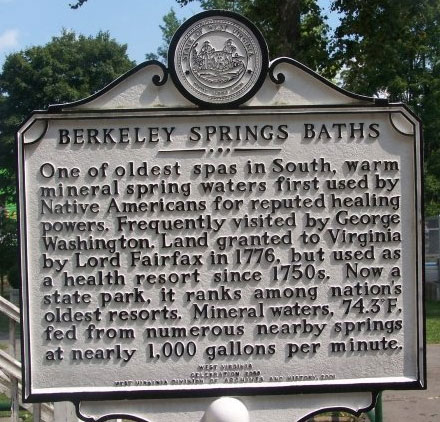
Hi everyone! ?We wanted to announce plans for a raw food picnic / potluck / meetup next Saturday, September 19th, at noon, in Berkeley Springs, WV at Berkeley Springs State Park (link to map), a wonderful natural healing destination about half-way between Pittsburgh and D.C. Wendi was just talking with Rawbin from the Capital Area (D.C.) raw food meetup and we all thought that a combo Pittsburgh / D.C. meetup might be fun. So, we all planned something right on the spot!
Berkeley Springs is a really nice (but small) public park in West Virginia about half-way between Pittsburgh and D.C.I traveled there a few weeks back with Melissa, Dave, Ella, and Bethany on the way to Raw Spririt East. We had a super time soaking in the spring water and checking out all of the cool alternative shops. (I did a write-up here on Pure Jeevan a few weeks ago and posted some video of the place).

Yesterday we began a discussion of adding protein powders into your diet (for those who feel that they want or need to do this). One of the easiest ways to get this powder into your body is to add it to your morning smoothie. ?Now, if you're not into the habit of having a morning smoothie, step #1 is to get into that habit. ?(Actually, I don't just "have" morning smoothies; I thoroughly enjoy them!)
Now, you'll notice that smoothies made with protein powder taste quite a bit richer than what you might be used to. So, I want to start with a smoothie that I found to be somewhat light tasting. In fact, I'd even call it "The King" of smoothies. ?:-)
Read more: Protein Powder Smoothies Part 2 of 3: The Blue Hawaii Smoothie

As promised yesterday, here s the Pure Jeevan cross-country tour itinerary! Will Wendi and KDcat be in your town or city? If so, please be sure to let us know, so they can meet you in person! We re all very excited that Pure Jeevan will be meeting some of you in person very soon!
We'll be posting a button on the right side of the blog later this week. When you click on the button, it'll take you to an up-to-date itinerary of all cities on the tour, as well as any talks/gatherings, etc. that may be going on. On that page, you may also be able to view some live video streaming of Wendi and KDcat as they're out and about finding the perfect location for Pure Jeevan. Stay tuned for more info!
-

- The Lovely Rhio
Original Comments
Below, we have included the original comments from this blog post. Additional comments may be made via Facebook, below.
On January 21, 2009, wrote:
Can't wait to hear your interview on iTunes!
Read more: Wendi and Jim Interviewed by Rhio on NY Talk Radio
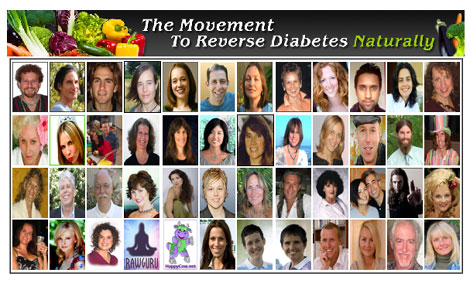
Wow, what an amazingly informative week here at Pure Jeevan. We've been featuring some great "My Raw Story" installments focusing on diabetes reversal via raw foods (and have more to come!). We've also been actively trying to encourage you to step forward and join the movement to reverse diabetes naturally.
Why are we dedicating an entire week to diabetes?
- 8% of the US population has diabetes. That s 23.6 million adults and children. 17.9 million are diagnosed. 5.7 are undiagnosed.
- There are 57 million people with pre-diabetes in America. That s 19.3% of the population!
- Heart Disease & Diabetes: Adults with diabetes have heart disease death rates about 2 to 4 times higher than adults without diabetes.
- ... and MANY more alarming statistics. See our diabetes page for more!
Many individuals have no idea that diabetes can not only be reversed via a raw food diet, but a person's life can be filled with health and vitality again. This Saturday, April 25 (Wendi's birthday!), is Reversing Diabetes Naturally Awareness Day. Together, we can spread this important and life-changing news.
Over the next few months and the coming year, you'll be witnessing the continued growth of Wendi Dee and Pure Jeevan in ways you might not ever have imagined! So, stay connected and let us know your thoughts about the changes that are (and will be!) taking place. We're not here for ourselves, we're here for all of you and for those who don't know about us (yet!). We have a mission: to share our stories and inspire others to fully embrace their lives and be all that they could ever desire (including healthy, happy, and vibrant)!
This is a long post, even though I tried to keep it brief. It's mostly a personal entry, but I wanted to share things so that you know a bit about what's going on with me and Pure Jeevan, now and in the near future. I'll break it up a bit with some more photos from Raw Spirit, the most therapeutic and life-changing event of my life.
======Wendi Dee's Growth======

Jim here... A few months ago, I was in our local food co-op's juice bar. I'd ordered an apple juice and had cringed when I saw the barista chop up four Granny Smiths and nonchalantly toss the whole lot, seeds and all, into the juicer. That juice was for someone else. So, when my order came up, I politely requested that he cut the seeds out -- a request he reluctantly granted, although not without showing considerable annoyance. My thinking was: Hey, those seeds contain cyanide! Why would I want to consume that, even in small amounts
 But then... Have you ever known anyone who died from eating apple seeds? ?I know I haven't. Also, after mentioning this to a few people I know, I found that a number of them regularly ingest apple seeds. And, well, they're still living. So, is there any truth to the rumors? And, should we be concerned at all about this?
Read more: Should You Juice the *Whole* Apple, Seeds and All?

I need fast & easy meal ideas (esp. breakfast & dinner) -- time is a luxury I don't have (taking 18 college credits, internship, PT job and I started a natural perfume business!). By the end of the day I am so exhausted that I'd rather not eat than go in the kitchen & try making somethin raw.
If you're dealing with exhaustion or fatigue, we'd like to direct you to a recent blog post discussing the subject. As for time being a luxury, we address that, as well, in the same post. You'll always hear the same thing from us about limited time in relation to your diet: Make the time! Your overall health is what's most important in life and it's imperative that you arrange your life so that you have plenty of time to not only prepare healthy meals, but to also eat them in peace without feeling rushed.
With that said, it's also important to realize that eating healthy doesn't need to take hours out of your life. There are plenty of raw food recipes that are not only quick and easy, but also packed with nutrition! We'll share, below, some links for some of our favorite recipes that are quick, easy, nutritious, and delicious! These recipes are located here on our blog.
THE TOUR IS COMPLETED! For pictures, videos, and commentary about their adventures, check out the Trip Dashboard!!

For those of you who've been following our plans for a few years, you know we've been preparing for a cross-country tour for a long time. The plans have expanded, contracted, changed dramatically, but the core of the idea has always been there: we plan on relocating to a new city and we need to find the right place for Pure Jeevan to settle. In order to do that, a big cross-country tour is in order. So, the exciting news is that we're leaving in a couple of weeks to check out some of the cities/towns we're thinking might be a perfect fit for Pure Jeevan! The sad news is that all of us can't make the trip. Jim will be holding down the fort here in Pittsburgh (i.e. the house still hasn't sold and he still needs to keep his corporate job so we can pay the mortgage).