Know Any Literary Animal Lovers?

Hi there PureJeevan readers! We wanted to let you know that Jim's new novel CHROO is available on Amazon. It's a crazy adventure involving a billionaire heiress, her Chihuahua BFF ("Chroo") and a host of human and animal characters. Find out more on Amazon! Here are some links:
Wow, could this really mark 800 raw food blog posts ! ?We must be obsessive orthorexic raw foodies to have achieved that level of focused health editorial journalism! Post #800 deserves to be something really useful (not that the others aren't or do not deserve this), so we'd like to pass along a fun idea. I guess all of that talk of Donald Trump yesterday got me thinking about making deals. We make deals with others, of course, but I think we also sometimes can make them with ourselves.
I'm so glad to be out of the corporate business world these days, but I did pay attention while there, and perhaps even learned a thing or two. Today's post is related to that in a way. You see, I was once at a sales training seminar when the speaker advised following a "this job / next job" strategy with clients. What that means in business is that, when you're in the middle of one job working for someone -- say, for example, you're a printer working on a brochure for a company -- you would make a point of saying something like, "Hey, this brochure is going great. I was wondering what else is coming in the near term so that we can make sure to be ready for it."

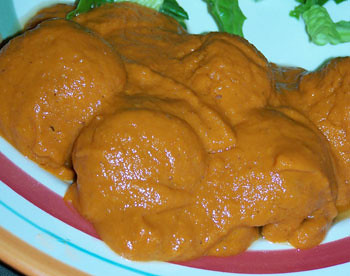
The other day I made a recipe from "Rainbow Green, Live-Food Cuisine" by Dr. Gabriel Cousens. I modified his recipe a bit and what resulted was amazing. Perhaps the original recipe tasted even better, but this is what I did with it.
Jim here... Today Wendi is busy preparing for a multi-day activity that I'm sure she'll be writing about later this week. So, I thought I'd field a question we received recently (one directed specifically to me). We do receive a good deal of questions at our Raw Food Diet Question In-box (at Questions [at] PureJeevan.com), so feel free to send any in that you may have, and we'll definitely get to them all here in time. In any case, one reader writes:
As drawn as I am to a raw diet, being mostly cooked vegan right now, I can't help but come up against this each time: Since produce is, after all, mostly water, what did you eat while transitioning that didn't lead to shoving in lots of bread, potatoes, etc. Do you just eat lots and lots of, say, oranges, at one go? This has always been my raw downfall. I'm sure the answer is very simple.
Wow, this is a great question, and one with many possible answers! To begin, let's recognize that this isn't a question from a "SAD diet" eater. ?Being a vegan, alone, takes significant learning and (often) self-discipline to accomplish successfully. It's also, in my view, an excellent dietary and lifestyle choice for many people, regardless of whether they ever decide to try a raw foods diet. So, this question is rather advanced.

In one daily newsletter that Wendi and I subscribe to, there was a discourse recently about being right -- but being right for the wrong reason. I've long been interested in that concept; it's fascinating, when you really think about it -- like getting credit on a test for an answer you guessed at, or knowing how to say something in another language but not knowing what it means. Along those lines, I'd like to share some personal opinion with you.
One of the common pro-raw arguments is that it's a calorie-restrictive diet and thus healthy because it limits our caloric intake (a regimen widely associated with extended lifespans in scientific literature).If you consider that a pound of greens or veggies has about 100 calories (generally speaking) and a pound of fruit has 300-400, imagine the incredible amounts of food you could ingest daily and still be considered calorie-restricted (as compared with the recommended number of calories for your build and lifestyle)!

As Pure Jeevan blog readers probably know, we're big fans of running ongoing series. A good blog can never have too many, really. So today we mark the official kick-off of another super series. We're calling these articles "Pure Jeevan Guides."
Guides to what , you may ask. Well, to various topics of interest to raw foodies, of course!
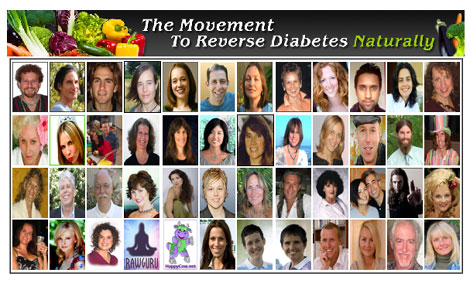
Wow, what an amazingly informative week here at Pure Jeevan. We've been featuring some great "My Raw Story" installments focusing on diabetes reversal via raw foods (and have more to come!). We've also been actively trying to encourage you to step forward and join the movement to reverse diabetes naturally.
Why are we dedicating an entire week to diabetes?
- 8% of the US population has diabetes. That s 23.6 million adults and children. 17.9 million are diagnosed. 5.7 are undiagnosed.
- There are 57 million people with pre-diabetes in America. That s 19.3% of the population!
- Heart Disease & Diabetes: Adults with diabetes have heart disease death rates about 2 to 4 times higher than adults without diabetes.
- ... and MANY more alarming statistics. See our diabetes page for more!
Many individuals have no idea that diabetes can not only be reversed via a raw food diet, but a person's life can be filled with health and vitality again. This Saturday, April 25 (Wendi's birthday!), is Reversing Diabetes Naturally Awareness Day. Together, we can spread this important and life-changing news.
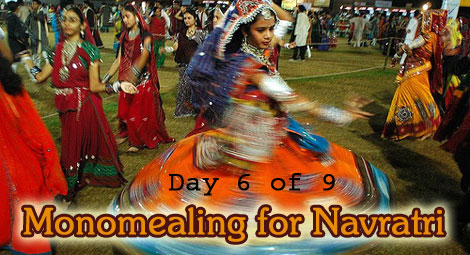
Day 6: Today is the final day of placing extra focus on the feminine qualities attributed to Goddess Lakshmi. For me, going within, shining light on the things that aren't so clear, the things that I've been avoiding, or the things that have been completely invisible is something I've revisited off and on my entire life. It's something that I often recommend to friends and family, as well. It's what has allowed me to continually improve my life (both physically, emotionally, spiritually, and intellectually), and something I'll always consider vital.
 The more we search within for answers, the more we'll learn about our true selves. The more we understand ourselves, the more authentic we become in our interactions with others. The more authentic we are with others, the more others can feel comfortable around us. The more others become comfortable around us, the more they can experience their own authentic selves. And the more others experience their true selves, the more we all wake up and truly begin living a life of beauty, grace, vibrancy, and love.

Jim here... Yesterday I promised to hypnotize you, so here it is (below). This is something I published elsewhere long ago, slightly modified. Interestingly, in the original version, I'd made reference to various cooked food items -- for example, describing the smell of fresh-baked muffins as comforting. Well, as pleasant as that smell may be to everyone, I just thought it would be odd to include it here on a blog devoted to raw foods.
I think, by the way, that next week I may post a piece on aroma and how it dovetails with raw foods. I'm sure there are interesting things to write about that topic. For now, I'll simply point you to the funny hypnotism picture, below. While it characterizes hypnotism as a sort of mystical power wielded over another's true will, that's definitely not the case. As you'll see, the text below is really just a very innocent, very calming, relaxing suggestion. Read it seriously and see if you aren't relaxed and happy afterward. Have a great weekend!

To keep all of you inspired while we are away, we've asked some
remarkable individuals to share their raw food stories with you. Enjoy!
Beginning today and running all through next week (and even spilling into the following week!), we'll be running videos from the Raw Spirit Festival (RSF East 2009) held in Upper Marlboro, MD, last weekend. If you've never attended a RSF event, you absolutely must. They're the best ever!

I'm going to be including questions and answers more often on the blog, since we've had a lot of emails from many of you saying you found last week's Q&A helpful and fun to read. I have many questions I've been saving to share with others, and more come in daily. Don't be shy if you have a question about anything that you think I'd possibly be able to help you with. Simply send me an email asking, and I'll reply to you personally. Questions that I feel might have a more general interest may be shared here on the blog (with the questioner being anonymous).
[Please email questions to me, rather than post them here on the blog: WendiDee [at] PureJeevan.com.]