Know Any Literary Animal Lovers?

Hi there PureJeevan readers! We wanted to let you know that Jim's new novel CHROO is available on Amazon. It's a crazy adventure involving a billionaire heiress, her Chihuahua BFF ("Chroo") and a host of human and animal characters. Find out more on Amazon! Here are some links:
Welcome to Episode FIVE! Today we're focusing on our old friend the WALNUT. Since it's officially fall, walnuts are in season right now. What better time to enjoy one of nature's tasty, heart-healthy treats?
Some health/nutrition summary info: Walnuts provide a great source of protein, fiber, B vitamins, Vitamin E, anti-oxidants to help prevent cancer, and Omega 3s to help your heart and vascular system. They also help lowering your cholesterol and blood pressure, and contain numerous beneficial amino acids and polyphenols (compounds linked with reduced risk of heart disease and cancer).

In one daily newsletter that Wendi and I subscribe to, there was a discourse recently about being right -- but being right for the wrong reason. I've long been interested in that concept; it's fascinating, when you really think about it -- like getting credit on a test for an answer you guessed at, or knowing how to say something in another language but not knowing what it means. Along those lines, I'd like to share some personal opinion with you.
One of the common pro-raw arguments is that it's a calorie-restrictive diet and thus healthy because it limits our caloric intake (a regimen widely associated with extended lifespans in scientific literature).If you consider that a pound of greens or veggies has about 100 calories (generally speaking) and a pound of fruit has 300-400, imagine the incredible amounts of food you could ingest daily and still be considered calorie-restricted (as compared with the recommended number of calories for your build and lifestyle)!
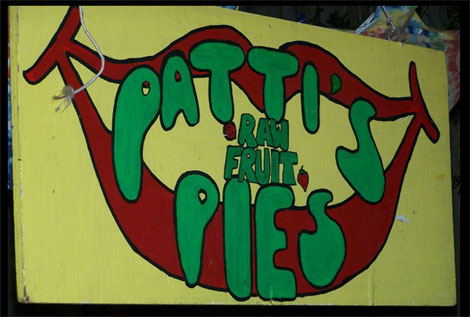
Over the weekend, we visited the spectacular Oregon Country Fair in Eugene and, once again, experienced a joyful and overwhelming sense of recognition that we're living in a place where people are much more accustomed to just being themselves.
Personal expression and nonconformity are so valued here that one becomes quickly enamored of the whole ambiance, which could well explain why more people come to Oregon than leave. The region seems to represent, to many, a chance to finally discover and explore an identity perhaps not completely free from outside influence, but at least free from the undesirable influences that society elsewhere seems to insist upon. Or maybe I'm misreading it all and providing just one of many interpretations.
Here's a basic recipe that can be used to create any nut milk!
Nut Milk
1 cup of nuts or seeds?
?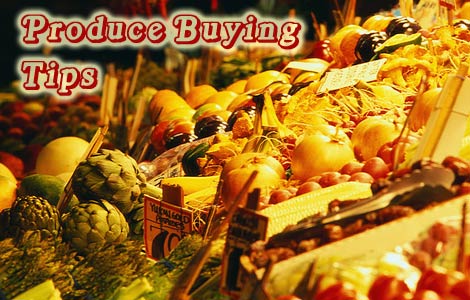
Wow, it's been four months since we've run an article in our "Produce Buying Tips" series! Well, in today's installment, we want to remind you that our tips don't stop at the grocery store; you want to make sure you store your produce properly once it is at home to keep it fresh for as long as possible. After all, what good is your amazing organic produce going to do you if it goes bad? (That would be some super-expensive compost!)
Since Wendi has a difficult time right now with many motions involving her shoulders and wrists, I've taken over the responsibility of putting our groceries into the refrigerator. (I'm usually the "carry it all into the house" person, and then she likes to put away the refrigerated stuff.) But, wow, who knew so much went into storing vegetables and fruits I had no idea some things required air circulation, while others needed to be kept in sealed bags. Over the years, Wendi has fine tuned a system for keeping our fridge produce as fresh as possible and for maximizing storage time.
Read more: Pure Jeevan's "Produce Buying Tips" Series, #3: Produce Storage

Jim here with another exciting installment of Weird Wednesday. (What, you thought that just because Wendi is out of town this week, we'd have no Weird Wednesday )
In any discipline, I think it's important to consider the entire argument in taking a stance on a given issue. Examine each issue from both sides (pro and con) -- and then make the best choice you can. That makes sense, right?

 Here's the next component in our raw taco recipe -- the guacamole. This is Wendi's favorite component! Enjoy!!!

Today we wanted to do something fun and a bit unusual. We raw foodies are a creative bunch, so we? thought, "Why not profile a handful of raw musicians !" Sounded like an interesting project, as we've all heard of at least a few raw foodist musicians out there. So, here are a dozen raw musicians to get you started -- that's right, FOURTEEN wonderful raw musicians!? (Since when does a dozen equal fourteen? Well, we figure that cooked foodies have their "baker's dozen," which everyone knows is thirteen.We figure: Why be outdone by the cooked food world, eh? So, we're redefining things a bit!)
Anyway, some of these bands/musicians are internationally famous; others are names you may not have heard before. We asked some of our friends to suggest raw musicians for today's post and we were surprised with the number of musicians mentioned! All those listed below are reportedly raw (or, in the case of whole bands, at least one or more of the members are raw foodists).Please note that this is by no means a complete list.

Jim here... Today is April 25, 2009 -- Wendi Dee's Birthday!!? She's asleep now. It's 1:30 in the morning & I've been up for hours assembling something stunningly amazing to share with you. You see, this year, I asked some friends, family, and foodies to take a page of a sketchbook and offer Wendi some Happy Birthday wishes -- and then send it back to me so I could bind it all into a large book!? WOW!!! WOW!!! WOW!!! Check out the response from 40+ people from around the globe. It's a little overwhelming to see this much positive energy in one place. What a momentous day she's in for in another 5 hours or so when she gets up and is greeted by such a surprise! If you'd like to say Happy Birthday, just leave a comment here! Thanks to everyone!
Clarifications: (1) Yes, as some of you may have guessed, Wendi's body has circled the sun more than 25 times. If you visit the site, I explain what the "25th" birthday means a little more. It's basically about the amazing power of raw foods. (2) No, I didn't send messages to David Wolfe, Gabriel Cousens, Woody Harrelson, or other raw food celebrities Wendi isn't friends with. However, if they are huge fans of Wendi's, they are more than welcome to contribute via email or comments! LOL ;-)
Original Comments
Below, we have included the original comments from this blog post. Additional comments may be made via Facebook, below.
On April 25, 2009, wrote:
Happy 25th Birthday Gypsy!!!
I so wish to be there with you celebrating this amazing day, but as I can't, I send you lotsof e-love.
*hugs tightly*
I LOVE YOU!!!
On April 25, 2009, wrote:
Happy Happy Birthday Wendi.............wishing you al the happiness your heart can hold, on this special day of birth and always...........you inspire so many!!!!!
On April 25, 2009, wrote:
Happy Birthday Wendi!
I had posed this question in another post on this site, can't remember where now!
But I will post it here too
On my birthday I like to look back to last year's birthday to see what about me has changed!
What about you Wendi? What has changed about you
Hope there are lots of ovely surprises in store for your big day!
Sheryl Miller
Austrlaia
On April 25, 2009, wrote:
wishing much peace, love and joy to you on this special day... Happy Birthday, Wendi!
On April 25, 2009, wrote:
Happy Happy Birthday, Miss Wendi Dee! I hope your day is a joyous as ever. ;)
On April 25, 2009, wrote:
Very, very Happiest of Birthdays, Dearest Wendi. You give so much of your essence and touch many souls. I wish you a day that is beyond beautiful and filled with joy and blessings as you embark on another wonderful adventure around the sun. And love LOVE love abound...always. xo
Blaq Berry
On April 25, 2009, wrote:
Happy Birthday lovely lady!!! I'm sure you'll be glowing all day! :)
On April 25, 2009, wrote:
Seesmic video reply from Disqus.
On April 25, 2009, wrote:
That is the best present ever!
And Wendi, if you did not know it before, I think you now are sure....
You Are Loved!!!!!!!!!
Happy 25, can't wait for your 24th next year!!!
love love love deb
On April 25, 2009, wrote:
Happy Birthday Wendi. Thank you for being such a light in the world.
On April 25, 2009, wrote:
Happy Birthday Wendi!
What a beautiful book!!! I am so happy to be part of it, and thanks Jim for posting the whole thing! It is just beautiful.
We love you!
~ Melissa
On April 25, 2009, wrote:
Hey Girl! Happy, happy day to you and thank you Jim for inviting Bo and I to be a part of this special day!
Revvell
On April 25, 2009, wrote:
Hey Girl! Happy, happy day to you and thank you Jim for inviting Bo and I to be a part of this special day!
Revvell
(Did this twice since I had to figure out the system)
On April 25, 2009, wrote:
Happy Birthday Wendi GIRL!!!
Have lots of fun in this, your 25th year. Blessing and love all around. Kisses riding on the wind for you.
Much love!
P. Lis
On April 25, 2009, wrote:
Have a wonderful amazing Day of Incarnation, the sweetness of your eternal spirit always shows!
XOXO!!!
Jill
p.s. thank you to Jim for being such an awesome partner :)
On April 25, 2009, wrote:
I'm glad to know Wendi's birthday was as special as she and her family are. And I love the phrase "Wendi s body has circled the sun more than 25 times." I'm gonna try to remember that one for birthdays!!
On April 25, 2009, wrote:
Not even having met you, Wendi, I can always feel your love for others online. Thank you so much for all you do for others. You are a true jewel in this world!!
Much love and birthday hugs,
Jenny
On April 25, 2009, wrote:
May this be the beginning of the happiest birthdays of your life.
love joy and peace
fatima
On April 25, 2009, wrote:
Happy Birthday, Wendi!!
Best wishes!!!
Keep shining!!!
On April 26, 2009, wrote:
Happy Birthday, Wendi! Thanks for all the gifts you've given us!! XOXOXOX
On April 26, 2009, wrote:
Hi Wendi ~ I'm sending HUGE birthday wishes all the way from Washington State! I hope you have a wonderful day!
Debbie *�*
On April 26, 2009, wrote:
Wendi have a blessed day as you have so blessed others.Because you have sown so
much enjoy the returns! Have many more circles around the sun, Love Diane
On April 26, 2009, wrote:
let your light shine and radiate in every nook and corner of our beloved planet and beyond, and let me whisper happy birthday in your ears,thank you for being here
On April 26, 2009, wrote:
Happy Happy Birthday Wendi!!!!
On April 26, 2009, wrote:
Happy, happy, happy birthday Wendi Dee!
hugs from Florida where the coconut grows :)
love
sheila
On April 26, 2009, wrote:
One happy birthday is never enough, here is another one :) <3
I will add to the notebook! I was afraid to sign the real thing, in case it got lost in transit after sending it back :(( I would have felt so awful. I hope you're having an amazing week!
On April 26, 2009, wrote:
Wendi,
So Happy Birthday.I had no idea it was your birthday.I was gone for a few days off computer.BUSY! And still wanted to wish you a Happy belated Birthday! Bye Dianne (DianneRawGirl)
On April 27, 2009, wrote:
Happy Birthday beautiful Wendi!!
You are such a light in this world....I hope your day was filled with light and joy and wonder!
Hugs, Tina
On April 27, 2009, wrote:
Ulol, my love!!! *blows kisses*
This birthday was THE BEST EVER! Even though you weren't physically here with me, it was extra special because I had your special contribution to my birthday book! It made me cry so much to see your page in the book. It was VERY special to me!
I miss you so very much! Thanks for stopping by the blog and leaving a comment, but most of all for always sharing your love and friendship with me.
I love you, too!
Wendi
XOXOXO
On April 27, 2009, wrote:
Thank you so very much, Mary!! It was THE BEST birthday EVER!!
I'm so happy that I can inspire others--all of you have given me so much love in return and that has meant the world to me!
Lots of love to you,
Wendi
XOXOXO
On April 27, 2009, wrote:
Thanks, Sheryl!
I responded to your original question a few minutes ago on the other blog post. :-)
Thanks, again!!!
Lots of love to you,
Wendi
XOXOXO
On April 27, 2009, wrote:
Thanks so much, Carlos!! Thanks for being a special part of my birthday gift, and for saying Happy Birthday to me on your blog, too!
I love you!
Wendi
XOXOXO
On April 27, 2009, wrote:
Thanks so much, WendiLou!!! It was The BEST birthday EVER!!
Lots of love to you,
Wendi
XOXOXO
On April 27, 2009, wrote:
Blaq Berry!!! You are always so loving to me. *hugs* Thanks for your sweet comment. :-) Thanks for being such a special part of my birthday gift!
I love you!
Wendi
XOXOXO
On April 27, 2009, wrote:
I've been glowing all weekend, Rawbin!! It was THE BEST birthday EVER!! It lasted all weekend and continues through today as I read and respond to all of the love-filled comments that have been shared with me. :-)
I love you!
Wendi
XOXOXO
On April 27, 2009, wrote:
My first video reply on the blog!!! I LOVE IT! I LOVE YOU!!
*blows kisses*
XOXOXO
On April 27, 2009, wrote:
It really IS the BEST PRESENT EVER!!! Jim says he's screwed for next year--no way to top this one! ;-)
I think you know me so very well. Yes, I didn't truly realize how much everyone does love and care for me. After this, how can I ever doubt? I am blissfully blessed.
Thank you so very much for being a part of my special gift, Debbie!
I love you!
Wendi
XOXOXO
On April 27, 2009, wrote:
Elizabeth!
Thanks so much! I had THE BEST birthday EVER!!
Lots of love to you,
Wendi
XOXOXO
On April 27, 2009, wrote:
Thanks so much, Melissa! Thanks for making my birthday celebration continue through Sunday, also! You are such a dear friend to me.
I love you!
Wendi
XOXOXO
On April 27, 2009, wrote:
Thank you, Revvell and Bo!! I LOVE that you were both a part of my gift! It has been THE BEST birthday EVER! It's one I'll NEVER forget!
I love you both!
Wendi
XOXOXO
On April 27, 2009, wrote:
Thanks so much, P. Lis!! Thanks for being a part of my gift, also. Jim said he was impressed with your artwork--he hasn't seen your paintings, yet, I told him! You are truly gifted!
Lots of love to you,
Wendi
XOXOXO
On April 27, 2009, wrote:
Jill! Thanks for such a sweet comment. It was THE BEST birthday EVER! I can't even imagine a better one in another incarnation! :-)
Lots of love to you,
Wendi
XOXOXO
On April 27, 2009, wrote:
Oh, it WAS!! It was so very special Allison!! Thanks for being a part of my gift!
Lots of love to you,
Wendi
XOXOXO
On April 27, 2009, wrote:
Thanks so much for your sweet comment, Jenny! You are very welcome--I love helping others.
I hope to one day meet you in person--maybe while we are on our cross-country tour!
Lots of love to you,
Wendi
XOXOXO
On April 27, 2009, wrote:
Fatima! This was definitely the happiest and BEST birthday, ever!! Thanks so much!
Lots of love to you,
Wendi
XOXOXO
On April 27, 2009, wrote:
Thanks, R_Eli! I had a fabulous birthday!!
Lots of love to you,
Wendi
XOXOXO
On April 27, 2009, wrote:
Thanks, Jacki!
You are very welcome for all of the gifts! I love giving to others!
Lots of love to you,
Wendi
XOXOXO
On April 27, 2009, wrote:
More birthday wishes from Debbie! Thanks so much!!
*blows kisses*
Wendi
XOXOXO
On April 27, 2009, wrote:
Thanks so much, Diane! It was surely a blessed day for me!
Lots of love to you,
Wendi
XOXOXO
On April 27, 2009, wrote:
Anasha! Thanks so much for your beautiful birthday wish!!
Lots of love to you,
Wendi
XOXOXO
On April 27, 2009, wrote:
Thanks, Vebanmimi! I had a wonderful day!!
Lots of love to you,
Wendi
XOXOXO
On April 27, 2009, wrote:
Sheila! Thanks so much! I had the BEST birthday EVER!!
Lots of love to you,
Wendi
XOXOXO
On April 27, 2009, wrote:
Thanks for all of the birthday wishes, Joanna!
Yes, please add to the special notebook. I welcome a page from anyone who wants to contribute. It is such a special gift to me; it's one that I will always cherish!
Lots of love to you,
Wendi
XOXOXO
On April 27, 2009, wrote:
Thanks, Dianne! It was a fantastic birthday!!
Lots of love to you,
Wendi
XOXOXO
On April 27, 2009, wrote:
Thanks so much, Tina, for your sweet comment!
Yes, my day was absolutely filled with light and joy and wonder!! It was THE BEST birthday EVER!!
Lots of love to you,
Wendi
XOXOXO
On April 27, 2009, wrote:
The pleasure was all mine, I hope you pass that Birthday love down to all the future generations.. are you listening Kat ??
love you too!
Deb xoxoxo
PS Sam had fun with her drawing too, lest you think I drew that!!!!!hee hee
On April 29, 2009, wrote:
You're very welcome. It was our pleasure and what a GREAT idea Jim had!
 Well, after three long days of train travel, Wendi and KDcat arrived in Portland. I knew they'd had a rough trip (as I'd posted, Wendi experienced some serious motion sickness!), so I booked them into an awesome Bed & Breakfast, literally across the street from the raw restaurant they were planning to visit. That B&B is called the Lion and the Rose Victorian Bed & Breakfast Inn. Wendi said everyone there was super-nice. (There was a neat synchronicity about it, too, which I'll post in the comments section.)
Thanks to everyone for the motion sickness tips! Wendi's feeling better, but after such a long train ride, she and KDcat still feel the effects on their balance (feeling like they're still moving, slightly dizzy, ears blocked a bit etc.). I suppose train travel takes a little getting used to. But, again, they're feeling much better.
Even though it was a short stay in Portland, they managed to squeeze in a meetup with two Pure Jeevan family members, Ann Chatterton and Tracy Partridge Johnson (as well as Ann's children, Zoe and Zack, and Tracy's son Brandon). They met up at the Blossoming Lotus, an organic/vegan venue that offers some gourmet raw dishes. Here's a slideshow!
Read more: Wendi and KDcat Wonderfully Welcomed to the West (See Slide Show!)

I was grocery shopping in Giant Eagle with a friend the other day; I was just there to keep her company. When we left the Nature's Basket area (where they sell organics and more natural items), I felt a strange feeling. I hadn't realized it, but over the past two years I stopped shopping in the other areas of the store! I told her that by the time we hit the packaged shelves of the Nature's Basket area, I'd already be done shopping and my cart would be filled. We had a good giggle and went on shopping.
Anyway, that has since brought my attention to the shopping carts of those around me. We do about 5% of our shopping in Giant Eagle (last minute things that we've run out of, that don't merit a trip to our Food Co Op), so lately I've found myself in Giant Eagle looking into the carts of those around me. I'm not judging anyone, I'm just curious. On average, just about everyone has a small bunch of bananas in their cart. There are the occasional carts with something like a cantaloupe, a bag of apples, and once I saw a single tomato and a bag of lettuce. The rest of the carts have been filled with packaged foods. There is next to no living food in the carts.