Know Any Literary Animal Lovers?

Hi there PureJeevan readers! We wanted to let you know that Jim's new novel CHROO is available on Amazon. It's a crazy adventure involving a billionaire heiress, her Chihuahua BFF ("Chroo") and a host of human and animal characters. Find out more on Amazon! Here are some links:
Over the weekend, we visited the spectacular Oregon Country Fair in Eugene and, once again, experienced a joyful and overwhelming sense of recognition that we're living in a place where people are much more accustomed to just being themselves.
Personal expression and nonconformity are so valued here that one becomes quickly enamored of the whole ambiance, which could well explain why more people come to Oregon than leave. The region seems to represent, to many, a chance to finally discover and explore an identity perhaps not completely free from outside influence, but at least free from the undesirable influences that society elsewhere seems to insist upon. Or maybe I'm misreading it all and providing just one of many interpretations.

Do you know how sometimes you meet somebody new and they tell you their name and it just doesn't seem to fit for some reason? Well, that's just not the case for the person that we'd like to introduce to you today. This person's name describes the individual she is as well as the community that she creates.
Take the Time to Meet? Happy Oasis!

We don't always announce birthdays of friends and family here. But this particular individual is an integral part of the raw food community and we want you all to meet her!
Today is the birthday of the radiantly beautiful Penni Shelton! For those of you who don't know Penni, she's an incredible woman; she's got a heart of gold and is filled with love and compassion. She has been a loving friend of Wendi and member of the Pure Jeevan family for a very long time.
Read more: Penni Shelton: Raw Food Community Builder and Supporter!
In this special five-part series, Joanna Steven uncovers where some top vegetarian athletes get their protein. Here's part four, focusing on Brendan Brazier's take on this issue.
GREEN LEAFIES
Brendan Brazier is one of only a few professional athletes in the world whose diet is 100% plant-based. He s a professional Ironman triathlete, bestselling author on performance nutrition, and the creator of an award-winning line of whole food nutritional products called Vega. He is also a two-time Canadian 50km Ultra Marathon Champion.
Read more: Vegetarian Athletes Share: Top 5 Sources for Animal-free Protein (Part 4 of 5)

Today, for Makin' It Monday, Jim has taken you through the steps of making a vegetable wrap. He came home for lunch, pulled the veggies out of the fridge, and the filming began. He quickly shows how just about anyone can prepare fresh, raw, delicious food in less than fifteen minutes. His goal was to get it done in under ten minutes, but it actually took about fourteen. Still, fourteen minutes to prepare amazingly tasty, delicious, and nutritious food is AWESOME!

So far, so good, with the mono-meal fasting for Navratri! I mentioned that I'll be sharing an almost diary-like blog entry at the end of each day, to share things with all of you. Well, today's diary entry is quite long. I do share a lot about what was going on with me before the fast, and why I haven't been around much online to connect with all of you.
How's everyone else doing? Are you enjoying your raw food journey? What have you been learning about yourselves, your bodies, and your overall health?

Wow, I just took a gander at the "Best of Raw" web site and saw that Pure Jeevan is nominated for all sorts of great things -- singling out Wendi, me, Pure Jeevan, this blog, and the All Raw Directory over at least eight different categories!
We really appreciate the nominations, so thanks so much to those who took the time to do that. We'd love it if you would vote for us for "Favorite Raw Blog." (You can do that now by going here.) Of all the things we were nominated for, that's probably the one we've really put the most effort into.
My nine days of mono meal eating are over! I'll write about the final day tomorrow.
April 14, 2008
Today I have even more energy. My tongue is coated more, however. It s not horrible, but it s definitely less red and more of a light pink. My eyes have continued to feel dry and my eyelids are heavy. What causes that, I wonder? My nails are whiter and harder, but they still break and rip when I m working around the house.
Guess what's pulling into Pittsburgh tomorrow evening? Here's a hint (if you don't already know after reading the title of this blog post!):
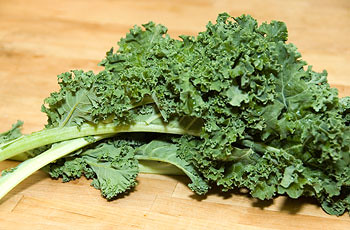
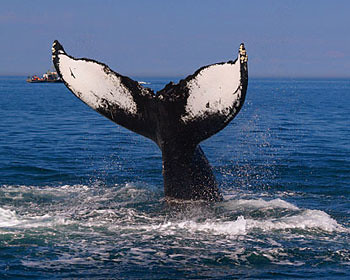
Read more: The Kale Whale Kickoff Event: Kevin Gianni in Pittsburgh!


On this lovely Valentine's Day, I am focusing on how thankful I am for LOVE! I'm not into the whole this-is-the-day-you-are-supposed-to-show-love thing, though. I think love is something that should always be around, felt, and shared. Every day is a new day to express the love you have in so many varied ways, why hold it back for one special day a year?
This is my version of a beanless hummus. One of my close friends adores the taste of Israeli Hummus and she thinks this tastes just like it. So, try it for yourself and let me know! Jim will eat this if he doesn't see me using the zucchini (he doesn't like the idea of eating zucchini for some reason). :-P
Hummus
3 cups of zucchini (peeled and chopped)