Know Any Literary Animal Lovers?

Hi there PureJeevan readers! We wanted to let you know that Jim's new novel CHROO is available on Amazon. It's a crazy adventure involving a billionaire heiress, her Chihuahua BFF ("Chroo") and a host of human and animal characters. Find out more on Amazon! Here are some links:

Announcing: Pure Jeevan's Halloween Raw Pot Luck - A Costume Party for All Ages!!
When:? October 31, 2009, 6:00 p.m. - ? ?
Read more: Pure Jeevan's Raw Halloween Bash -- You're Invited!

Yesterday's smoothie was superlatively tasty, eh? It was clearly something out of Elvis' more energetic younger years, I think. You're probably wondering: "How does one follow an Elvis smoothie?!" I know ... it'll be tough to do.
Read more: Protein Powder Smoothies Part 3 of 3: The Donald Smoothie
Today we thought we'd introduce you to a common wild edible known as Purple Deadnettle (or, more dramatically, the Purple Archangel). Watch the video and let us know if it grows in your area, and if you've tasted it!
Hey, where the heck is Pure Jeevan this week ??? Sorry for the silence on our end; we're actually in Portland, Oregon, closing on our new digs -- the new HOME of Pure Jeevan!!! Exciting stuff, but we're SO busy that we may not be able to blog again until the week of June 7. But, we'll definitely return by then, and maybe even post a thing or two from here. It all depends on our internet situation. In any case, it's SO wonderful to be taking direct action on the future on Pure Jeevan. It's a huge leap of faith on our part, but it seems right by all accounts. So, see you soon when we return! -Jim & Wendi
Original Comments
Below, we have included the original comments from this blog post. Additional comments may be made via Facebook, below.
On May 28, 2010, wrote:

The Environmental Working Group publishes something really useful called the Shoppers Guide to Pesticides. In it, they offer two handy lists: (1) The Dirty Dozen -- conventionally grown produce items that contain the most residual pesticides, and (2) The Clean 15 -- conventionally grown produce items that contain the least residual pesticides.
While we believe that organic is always best, there nonetheless are times when most of us (for whatever reason) consider purchasing or consuming conventionally grown (meaning "sprayed with pesticides") produce.
Read more: Mnemonic for the "Dirty Dozen" Foods that You Should Only Buy if Organic!

Jim here with another exciting installment of Weird Wednesday. (What, you thought that just because Wendi is out of town this week, we'd have no Weird Wednesday )
In any discipline, I think it's important to consider the entire argument in taking a stance on a given issue. Examine each issue from both sides (pro and con) -- and then make the best choice you can. That makes sense, right?

When we were heading out of town, I said that this trip might be a bit difficult on Jim because it's his first time being exposed to our friend Mamta's Indian food while he's 100% raw. I created some rich, delicious dishes to keep him satisfied, so that the temptation wouldn't overpower him. I expected no problems for myself, since I've been raw for more than three years and have been exposed to this temptation before without any problems.
Well, guess what? The cravings are here! You see, Mamta is THE BEST Indian food chef EVER. We've eaten literally thousands of Indian meals over the years, and even enjoyed it while touring India for nearly a month in the 1990s, but nothing has ever compared to Mamta's skill at creating the most delicious food on the planet. As usual, she sent home lots of food when we left this weekend -- this time all for KDcat, who is so very happy she's not eating 100% raw foods. I don't even know how many different dishes came home with us, but their aroma has been extremely tempting.
Jim here... Here's a compilation of vids from my little Flip camera, all taken over our weekend roadtrip to Washington, D.C. It's not all strictly raw-food related, but does include some raw tips. First up, you'll see our rawsomely packed food coolers. Between using ice and frozen fruits, everything kept cool just fine.
Early in the video, Wendi shares a handy tip for keeping your smoothies cool on the road. If you're going to drink your smoothies right away, you might have little concern for keeping a drink cold. However, we had eaten breakfast already and knew we wouldn't want to get into our smoothies for another hour or so after leaving. Frozen berries to the rescue! (Just make sure to hunt down a large glass bottle with an opening large enough to pour frozen berries into.)
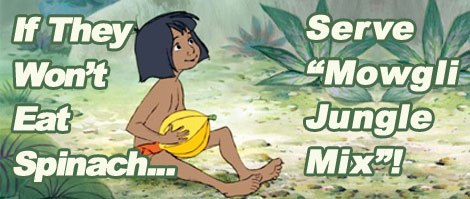
Since our child was exposed to a large variety of vegetables and fruits at a young age, she has always enjoyed consuming them in myriad ways. When children's exposure to fruits and veggies has been limited, however, they don't always like consuming things that are so different from what they've grown accustomed to eating (and this many times carries into adulthood).
It's vital that children be exposed to a variety of foods, as often as possible, while growing up. For the vast majority of children, however, that has not been the case. Packaged, processed, and fast foods are a standard part of our society; we don't think twice about serving such foods to our children. Everyone is doing it, it's affordable and convenient, and they like it!
Sad Update: Our friend Michelle Pierson, interviewed here, passed away in July 2016 after a kayak accident in Hawaii.
We've spent the past three days focusing on the core subject of critical importance in the raw food lifestyle -- the FOOD! However, as most people will agree, it's also about so more than "just the food." Here at Pure Jeevan, we've always made a point to stress the holistic nature of our philosophy (mind, body, spirit, emotions), and we'll certainly continue to do that.
The Raw Spirit Festivals also do a magnificent job of illustrating this point. While they do offer *spectacular* raw foods and presentations centered around raw foods, you'll also find music, dancing, yoga, and other uplifting recreational activities all day long!
Angela Stokes, well known and loved by many in the Raw Food Community, was interviewed on CNN back in September. The story was so popular that it has been mentioned on CNN, again! So, I'm reposting my original blog entry about the interview, below, for anyone who missed the interview or this blog entry.
Below you can see the interview of Angela Stokes that originally ran on CNN:
Read more: Angela Stokes on CNN: Did A Raw Food Diet REALLY Help Her?