Know Any Literary Animal Lovers?

Hi there PureJeevan readers! We wanted to let you know that Jim's new novel CHROO is available on Amazon. It's a crazy adventure involving a billionaire heiress, her Chihuahua BFF ("Chroo") and a host of human and animal characters. Find out more on Amazon! Here are some links:

You know that old saying about a picture being worth a thousand words? Well, today we want to add a thousand words to your daily informational intake.
Take the time to meet

We have something special for today s Makin? It Monday! Remember Terilynn, the brilliant chef behind The Daily Raw Caf , whom we introduced you to not long ago? Well, this weekend she posted a recipe challenge open to anyone willing to participate. We here at Pure Jeevan are always up for an adventure, so thanks for the challenge, Terilynn!
The rules were simple: Use the list of possible ingredients, create a raw vegan food dish, and send pictures and information about your dish to The Daily Raw Caf . Here s the list for the challenge, with the items we didn t have available crossed out:
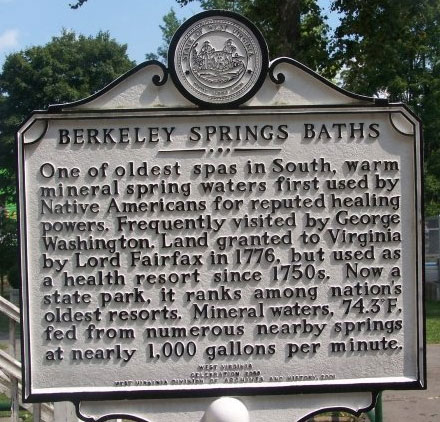
Hi everyone! ?We wanted to announce plans for a raw food picnic / potluck / meetup next Saturday, September 19th, at noon, in Berkeley Springs, WV at Berkeley Springs State Park (link to map), a wonderful natural healing destination about half-way between Pittsburgh and D.C. Wendi was just talking with Rawbin from the Capital Area (D.C.) raw food meetup and we all thought that a combo Pittsburgh / D.C. meetup might be fun. So, we all planned something right on the spot!
Berkeley Springs is a really nice (but small) public park in West Virginia about half-way between Pittsburgh and D.C.I traveled there a few weeks back with Melissa, Dave, Ella, and Bethany on the way to Raw Spririt East. We had a super time soaking in the spring water and checking out all of the cool alternative shops. (I did a write-up here on Pure Jeevan a few weeks ago and posted some video of the place).
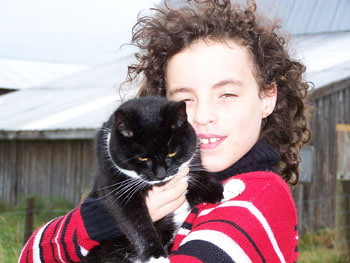
You rarely hear us talk about our daughter here on the blog. Some of you have noticed and asked questions about her through email. I'd like to tell you why we don't write about her very much, because there's something to be learned from it.
First, I usually don't like to write about people unless I get their permission. This is especially true when my daughter is concerned. I respect her privacy if she chooses for me to not share things about her life. Years ago when I knew I wanted to create the Pure Jeevan site, I talked with Jim and our daughter about it. I said it was something I felt drawn to do, that I felt it could help a lot of people, but I wanted it to be a family site if it's something they were interested in doing along with me. Jim agreed to help me at the time, but didn't fully embrace Pure Jeevan himself (now, however, he has become a very active part of this site and all of our projects). Our daughter, however, said from the very beginning that she didn't want any part of it.

Yesterday we talked about attending raw food meetups / potlucks. Today we'll focus on...
*Hosting* Raw Foods Meetups
There are two main ways to host a raw foods meetup. The first would be through the meetup.com web site. If there is no raw foods meetup in your area, you're going to need to launch one. (See the Meetup web site for details.) If there is a group, you'll need to sign up and get to know the moderator, as you'll need to announce your meetup through that person.
Read more: Raw Meetups: What to Bring, How to Host Them (Part 2)
Welcome to Episode 4 of Know Your Food. Wow, the PEAR episode is here at last! Aren't you thrilled to know that? Of ALL of the fruits, veggies, nuts, seeds, herbs, etc. in the knon world, we finally got to the wonderful pear. Well, it's no surprise, when you think about it. After all, sweet, mild pears are usually among the first fruits fed to babies. So, chances are, you were fed them, too, as a toddler. So, let's dig in, shall we?
Pears contain water-soluable fiber (pectin), Vitamin A, Vitamin B1, Vitamin B2, Vitamin C, Vitamin E, Copper, Potassium, Posphorous, Folic Acid, Niacin, Iron, Magnesium, Sodium, Sulphur, Calcium, and more! They lower your blood pressure, releive inflammation, lower cholesterol via pectin, calm the stomach, cool the body, prevent cancer via anti-oxidants, boost your energy via the fructose/glucose, reduce inflammation, help your bones/calcium levels, aid in pregnancies via the folate, and much more. Pears are GREAT for you, so eat them regularly!
Continuing on, today, with Wendi's San Francisco travelogue:
 While on our walk, Pete pointed out that in the building on our right there are some amazing kale chips being produced. Kale chips ! I asked if he was referring to raw food kale chips and he nodded. Of course, I had to investigate and find out who was producing them and possibly meet the person. Well, what a treat we were in for!
One of the workers directed us to an office nearby where we met a lovely woman named Blessing. It turns out, Blessing is the producer of the kale chips we received from our Official Snack Sponsor during our tour, Natural Zing. Not only does Blessing produce some of the most popular kale chips in the raw community, her company is also the manufacturer of the famously delicious "Raweo" cookies (which you can find on Natural Zing's site)!
Read more: Part 2 of 4: Glowing Gypsy Gals Glimpse the Glorious Golden Gate's Gastronomical Goodness
All this week we're continuing to feature a variety of answers to the question "Are Raw Foodists Crazy " from various friends of Pure Jeevan. If you're just now tuning in, please read the back story and introduction to this, as posted on Monday.But, for now, let's continue with posting the rest of the excellent responses sent in! Enjoy!! :-)

In this video, Wendi talks with Leela Mata, spiritual leader of the Peaceful Valley Ashram, about her experiences with the raw food diet and a bit about a cob oven structure that was built on the ashram property. This is part 2 of a 5-part series featuring Peaceful Valley Ashram.
Read more: Leela Mata Discusses Her Experiences with Raw Foods
[Sorry, we lost the pic in a web update... will repost if we find it!]
Last night, Jim ate the first warm food he's had in over a year! I created a dinner that was placed in the dehydrator for about an hour before it was served. This dish is delicious at room temperature, also, but I thought it might be more special if I served it a bit warm. Jim thought it was a nice change to the colder temperatures of the smoothies he's been practically living on!
Here's the recipe, if you think you'd like to try it.
With this video, Pure Jeevan concludes coverage of the 2009 Raw Spirit East festival. We started off two Fridays ago covering raw food chefs, then moved on to raw lifestyle speakers and philosophers. The final piece of the gourmet raw pie would have to be the festival ambience, which is somewhat tougher to capture in a short video. But, I think this video does a reasonable job of conveying a lot of the scene "beyond the food." (But even if it doesn't, how many times do you get to see Charles Balcer hula-hooping on video )
Enjoy the video (and pics, below, too)!