Know Any Literary Animal Lovers?

Hi there PureJeevan readers! We wanted to let you know that Jim's new novel CHROO is available on Amazon. It's a crazy adventure involving a billionaire heiress, her Chihuahua BFF ("Chroo") and a host of human and animal characters. Find out more on Amazon! Here are some links:
Here's an older post, from August 2008, about modifying one's diet to experiment with attaining even greater health. ?I know the before/after pics, alone, are inspirational enough to live a raw vegan lifestyle!
*blows kisses to everyone*
========================

Today, for Thankful Thursday, I want to focus on a raw food related subject: Raw Recipe Books! Without the many mouthwatering, visually appetizing recipes that have been created and published, I don't know if I'd still be living a raw food lifestyle at this time.
About two years ago, when I made the decision to transition into a raw food diet, there were some fantastic raw food recipe books available. A few years before that, when I tried raw for the first time with a dear friend of mine, there were books available but none of them were truly gourmet meals. It's amazing how much things change in just a few years! The newer books are filled with colorful pictures of the most visually stimulating foods, which never looked like simple chopped up veggies arranged nicely on a plate. We have a page with many raw recipe books listed, if you'd like to see some of the ones that are available.

Brutal Honesty. 100% Transparency. Unedited Feedback. Absolute Truth. ... How often are we treated to these things by those we know? How likely are we do conduct ourselves with these ideals in mind?
Propriety. Politeness. Decorum. Political Correctness. ... How often do these conventions in others prevent us from knowing what others think of us? How often do these conventions in ourselves restrict our own words when directed at others?
Read more: The Gift of Honesty: The "Crazy" Life of Raw Foodists

Today we welcome Shea Lynn Baird from Monday Night Live. As you may recall from a few weeks ago, Wendi and KDcat visited with Shea and her husband Stephen during their 2010 Trip. While there, they all attended a raw food meetup, and Shea brought a wonderful Thai salad. She shared this delicious creation with all of you in this special guest raw chef edition of Makin' It Monday, below:

Sixteen years ago today, our beautiful KDcat (now called Bailey) was born!! Happy, happy birthday to Bailey. We hope ALL your wishes come true and you continue to shine your bright light and express your creative talents for the rest of us to enjoy!
We're taking a very short break from our Nadi Balance series to announce that once again it's a special time of the year for diabetes awareness. As you may recall, we spent Wendi's 25th birthday last year doing public outreach on this very topic, as it's an issue close to our hearts. Pure Jeevan even maintains a special page, here, for diabetes information. So, if you know of anyone suffering from diabetes, and feel that they may be receptive to some really eye-opening information on the topic, please direct them to:
Happy Summer Solstice!
Well, it's officially summer here! This time of the year is extra special to us now that we're healthier. Not only is there an abundance of fresh, local organics to eat, but the sun also shows itself to us a lot more (Pittsbugh is ranked as one of the places experiencing the least amount of sunshine per year). The sun actually used to make me feel physically ill (I wrote a bit about that in an earlier post), but ever since I've switched to a raw vegan diet I find myself drawn to the healing sunshine.
Before switching to a raw lifestyle, we used to go on a lot of outings (picnics) and we'd also go camping. I remember a friend voicing concern when my diet was beginning to change to raw foods. She felt I wouldn't be able to go camping anymore and that things like picnics wouldn't be fun for someone eating a raw food diet. She thought I'd need access to a refrigerator in order to keep all my raw foods fresh and a kitchen where I could prepare the delicious foods she had been seeing me eat.
Read more: Summertime Raw (Video): Out the Door in 10 Minutes!
With this video, Pure Jeevan concludes coverage of the 2009 Raw Spirit East festival. We started off two Fridays ago covering raw food chefs, then moved on to raw lifestyle speakers and philosophers. The final piece of the gourmet raw pie would have to be the festival ambience, which is somewhat tougher to capture in a short video. But, I think this video does a reasonable job of conveying a lot of the scene "beyond the food." (But even if it doesn't, how many times do you get to see Charles Balcer hula-hooping on video )
Enjoy the video (and pics, below, too)!
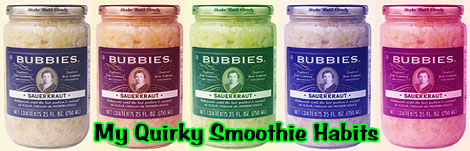
After making a 'batch' of green smoothies, what is generally considered an appropriate serving size?
Thanks for the question, Gary!? I don't think I can give an across-the-board answer to fit everyone, since we're all so wonderfully different. The answer would have to take into consideration various factors, such as:
This video is nearly 10 minutes long (sorry, we'll aim for shorter ones in the future), but shows a full process for making a delicious, spicy nut dip. From there, we show two options for making the sandwich -- one using dehydrated raw bread, another using lettuce as the wrapper. I wanted to add that the packaged raw bread used herein is from Love Force, a great company that has provided sponsorship support to Pure Jeevan in the past. Here's a link to their site in case you're interested acquiring some of their bread or finding out where it's sold. (It's very good, as are their raw organic energy bars!)
Read more: Video: Jim from Pure Jeevan Makes Nutdip / Raw Sandwiches!
"I sent out over 100 emails, now, and have been corresponding with the chair of the almond board. He s an ass."~Wendi, writing a few years ago in her "Almond Frustration" blog post.
Jim here again... Wow, that's an excerpt from a very fired-up Wendi, writing a few years ago about her frustration over the USDA's absolutely insane regulation that nearly all almonds sold in the United States must be treated with chemicals or heat prior to sale. I'm sure you know the story by now, so I won't rehash it here. (In case you do not, you can read about it in our original post, Wendi's Almond Frustration post (which even recounts a disturbing, related dream she had about this issue), or our last update post. It's an issue we've been following for years here.)
Read more: One Step Closer to the Return of Truly Raw Almonds!