Know Any Literary Animal Lovers?

Hi there PureJeevan readers! We wanted to let you know that Jim's new novel CHROO is available on Amazon. It's a crazy adventure involving a billionaire heiress, her Chihuahua BFF ("Chroo") and a host of human and animal characters. Find out more on Amazon! Here are some links:
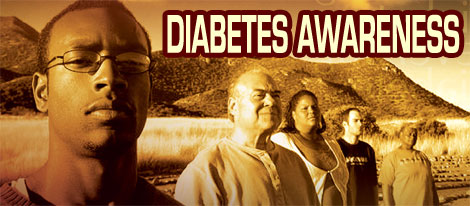
We're taking a very short break from our Nadi Balance series to announce that once again it's a special time of the year for diabetes awareness. As you may recall, we spent Wendi's 25th birthday last year doing public outreach on this very topic, as it's an issue close to our hearts. Pure Jeevan even maintains a special page, here, for diabetes information. So, if you know of anyone suffering from diabetes, and feel that they may be receptive to some really eye-opening information on the topic, please direct them to:
This past weekend we had the pleasure of Rhio and her partner, Leigh, visiting with us. Rhio was in town for a presentation on Genetically Engineered foods (more about that here) and she took the opportunity to spend some time with us. It was a lovely weekend and we talked about all kinds of things (yes, even non-raw food things!), laughed a lot, enjoyed delicious raw foods, and got to know each other better.
While they were here, Rhio and Leigh agreed to allow us to interview each of them for this blog. Since we needed to keep the interview under ten minutes (the maximum time allowed on most video sites), we decided to ask questions about topics we had already touched on with Rhio and Leigh during their stay--things we thought might be interesting for all of you to hear about.

Since Pure Jeevan specializes in raw food weight loss, we receive a lot of questions about what is required in order to lose excess weight. Many individuals want to know if they need to go on a 100% raw food diet in order to release excess weight.
The answer is, "No, you do not need to switch to a 100% raw food diet in order to lose weight." If you're asking if a 100% raw food diet works better for losing weight than slowly transitioning and increasing your raw food intake, the answer is still, "No."

Here's a video demonstrating a technique for making super-fast, vibrantly beautiful, tasty salads! If you frequently find yourself in a rush, but also want a healthy meal, definitely check out this mandoline technique. (Further commentary below, after the video...)
Some of you who are new to raw foods may be happy to learn that there are festivals for individuals interested in the raw foods lifestyle! They are a fantastic opportunity to meet like-minded friends. For those of you who attended the Raw Spirit Festival in 2008, seeing images from that event may stir the magical memories you collected while there.
Below is part two of a two-part guest piece by Rawbin Anderson, in which she recounts her 2008 Raw Spirit Festival J.O.B. experiences of working in the kitchen. Rawbin is now the Raw Spirit Festival East Coast Manager and can be reached at Rawbin [at] rawspirit.com.
?
Read more: A J.O.B. (Joy of Being) at the Raw Spirit Festival (Part 2 of 2)
Ketchup
1 cup sun dried tomatoes, soaked for one hour
3 small fresh tomatoes
We at Pure Jeevan enjoy eating salads. Each of us has our own way of dressing our individual salads, but we all thoroughly enjoy very large bowls of them at least once a day.In the past, salads were those "diet" meals that I'd consume when I was trying to lose weight. I'd sit at the table staring at my small plate of greens, feeling like I was missing out on the "great" food everyone around me was eating. I'd feel hungry after my meal and extremely unsatisfied.

Jim here... We've always been fans of the Simply Raw people -- or, as I call them, the "Reversing Diabetes Naturally" people. Or ... are they the "Raw for Thirty" people? Seriously, they should probably settle on one name, don't you think? In any case, they emailed us again lately to let us know about a new video promotion they're doing, in which they'll be sharing some great videos from Morgan "Super Size Me" Spurlock, David "Avocado" Wolfe, Mike "Natural News" Adams, and Dr. Joel Fuhrman. (Sorry, I don't have a nickname for Dr. Fuhrman yet.) I haven't yet seen the videos, but I'll be checking them out ASAP to hear what these gents have to say in order to further awareness about this important topic. Here's the link:
***** DISCLAIMER: As with all of our posts here at Pure Jeevan, and particularly those coming up over the next week and a half (which will all be tagged with a new term, "Nadi Balance"), please refer to the disclaimer that runs at the bottom of all Pure Jeevan Pages. Wendi and Jim are health researchers, educators, and extreme self-experimenters. ******

Nadi Balance: Part IV...
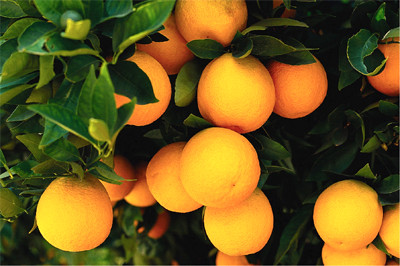
I ordered a case of organic, fresh-picked, perfectly ripe oranges!! Yay! They were shipped in less than 24 hours of my order and they should arrive soon! I asked for some grapefruits in there, too, even though I haven't really liked the taste of them in the past. I'm thinking that fresh ones will taste a lot better--not to mention that I never tried an organic one before. If I still don't like them, Jim and KDcat will eat them. ;-)
If you want to check out the grove from where I ordered them, here's a link: http://www.flnaturalcitrus.com/. I emailed with Dave, who was very nice. It's fun to get to know the people you are getting your food from, isn't it? This past spring, summer, and fall we were members of a CSA (community supported agriculture) farm. The produce was amazing and it was so fun to actually see pictures of the farm workers and hear about the daily ins and outs of life on the farm. If you've never heard about a CSA, maybe you'll want to see if you have one in your local area this coming spring.

Well, I hope we're finally approaching the true end-game of our whole move. We now have our home listed with a new realtor (no longer going it alone as a "for sale by owner" scenario), so we're hoping that a renewed effort (and a lower price) will attract a buyer. The market seems to be perking back up a little as well, which certainly can't hurt anything.
Thanks to everyone who sent in suggestions for places we should consider moving to. I assure you that we researched each and every one to an almost ridiculous degree. There are more amazing places to live than we ever knew, and we were delighted to learn about some areas with which we weren't very familiar -- funky little enclaves in Texas, Tennessee, New Mexico, etc. I think we've hinted as to our inclinations before, but I can tell you that, after so many months of intense deliberation, we believe the best domestic home for Pure Jeevan is probably in Oregon.